
In this guide
Key Takeaways
- Absorbency, fabric weight and drying speed often correlate, but the most suitable balance depends on your bathroom routine.
- The comparison works better as a set of trade-offs than a simple ranking, because stronger drying performance can come with slower drying between uses.
- Fibre content, fabric construction and weight are the most useful specifications to assess together when comparing towels.
- Heavier towels often feel more substantial and can hold more water in a single pass, which may suit post-bath or post-shower use.
- For most households, the decision is less about one towel being better overall and more about balancing drying performance with day-to-day practicality.
Overview
Absorbency, fabric weight and drying speed tend to move together, but not always in a way that suits every bathroom routine. Heavier towels, often identified by a higher GSM, usually feel denser and can hold more water in a single pass. That can make them more comfortable after a bath or shower, particularly when warmth and a fuller hand-feel matter. In contrast, that extra mass usually means a longer drying time between uses and a bulkier towel on the rail or in the wash.
Lighter towels sit at the other end of the spectrum. They generally dry faster, take up less storage space and are easier to launder in larger loads. By comparison, they may feel less plush and can require more passes to achieve the same drying result, especially if the weave is relatively flat. For households where towels are used frequently and washed often, that faster turnaround can be more important than a heavier, more cushioned feel.
Construction also changes how these factors play out. A towel with a looped, high-pile surface may absorb quickly at first contact, whereas a flatter weave can feel less saturated and dry out sooner after use. Cotton-rich options are often chosen for softness and moisture uptake, while blends or more tightly woven styles may prioritise lower weight and quicker drying. The practical result is that two towels with similar stated weight can still behave differently in daily use.
The main trade-off is between immediate comfort and day-to-day efficiency. A thicker towel can deliver a more substantial feel and stronger initial absorbency, but it may stay damp for longer in cooler or less ventilated bathrooms. A lighter or more compact towel is easier to keep in circulation, though some users will notice the difference in softness and coverage. For most shoppers, the more useful comparison is not simply which towel absorbs more, but how well each option balances drying performance, drying time and handling for the space and routine it will be used in.
Feature Comparison
The table below is most useful when read as a set of trade-offs rather than a simple ranking. In towel terms, higher absorbency often comes with more fabric mass, whereas faster drying usually comes from a lighter construction or a fibre blend that releases moisture more readily. That means the right choice depends on whether daily comfort, storage space, laundry frequency or turnaround time matters more.
Cotton-heavy options typically sit at one end of the comparison. They tend to feel fuller and take up more water per use, but by comparison they can stay damp for longer after showering or washing. Within that group, GSM is the clearest indicator of how substantial a towel will feel. A higher GSM generally points to a denser, heavier towel, in contrast to lower-GSM designs that are easier to handle and usually dry more quickly. The compromise is that lighter towels may feel less plush and may reach saturation sooner in repeated use.
Microfibre and blended constructions often shift the balance. They are commonly lighter for their size and can dry faster between uses, which may suit smaller bathrooms, travel or households without much airing space. However, whereas cotton towels are often chosen for a more traditional hand-feel, synthetic-rich alternatives can behave differently against the skin and may not match the same sense of thickness even when they perform well on drying speed.
Size also changes how the figures should be read. A bath sheet and a hand towel can share similar material specifications, yet the larger format will still take longer to dry simply because there is more fabric holding moisture. In the same way, a heavier towel may offer better wrap and coverage, but it will need more room on the rail and more time between washes to dry fully.
Used together, the absorbency, weight and drying-speed columns help separate towels that are designed for comfort-first use from those aimed at practicality. The most useful comparisons come from matching those figures to your routine, rather than treating any single metric as decisive.
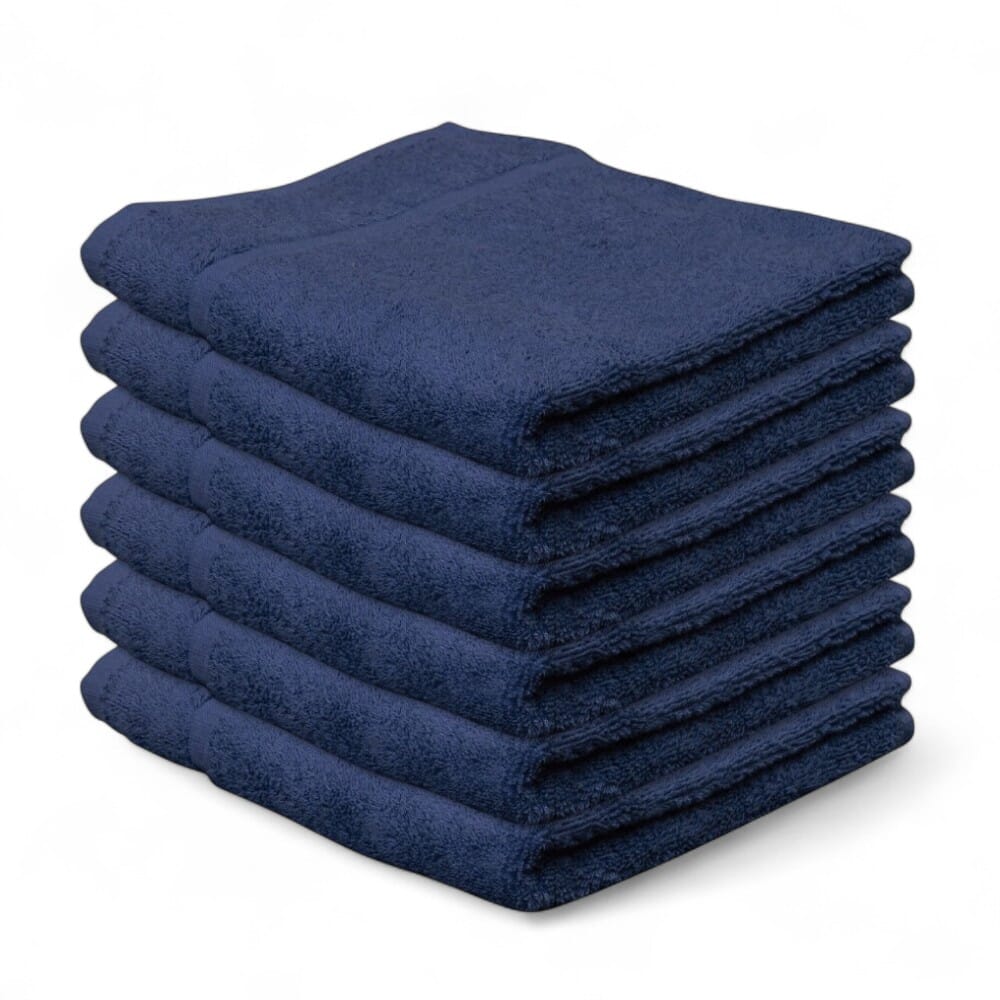
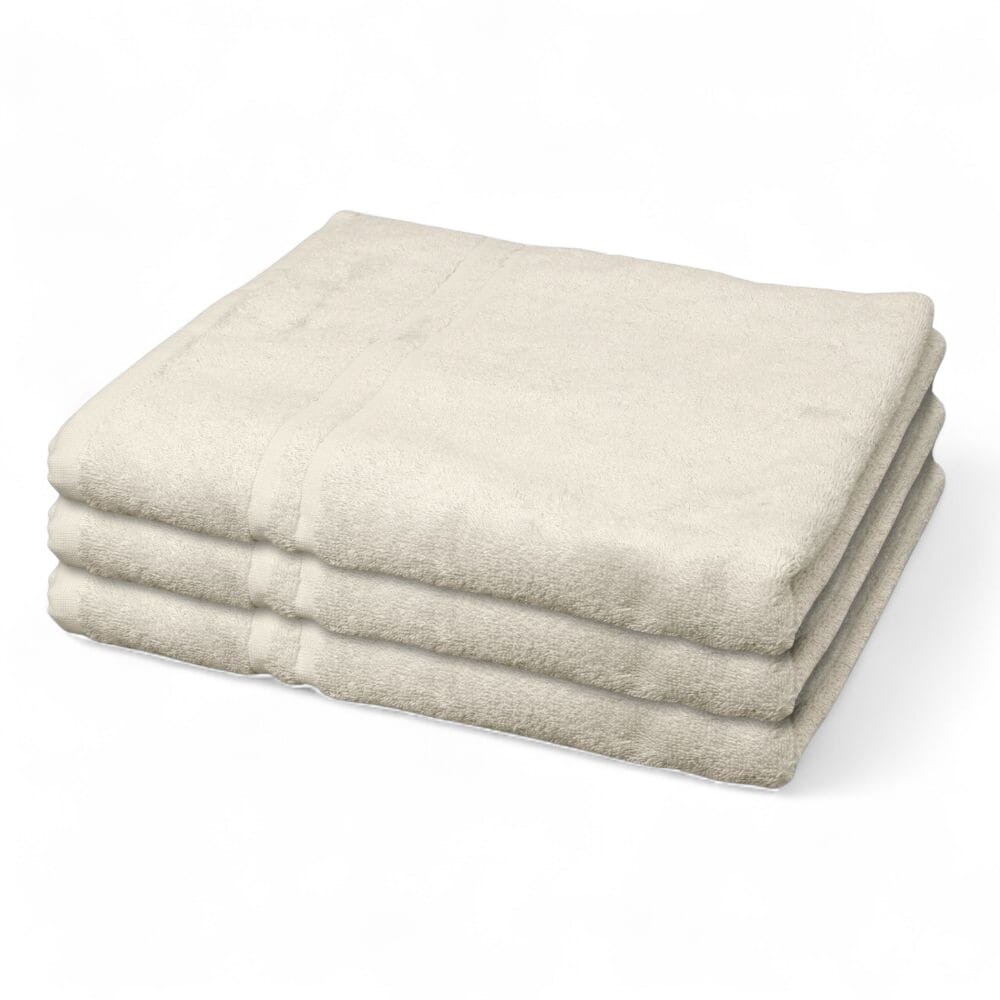
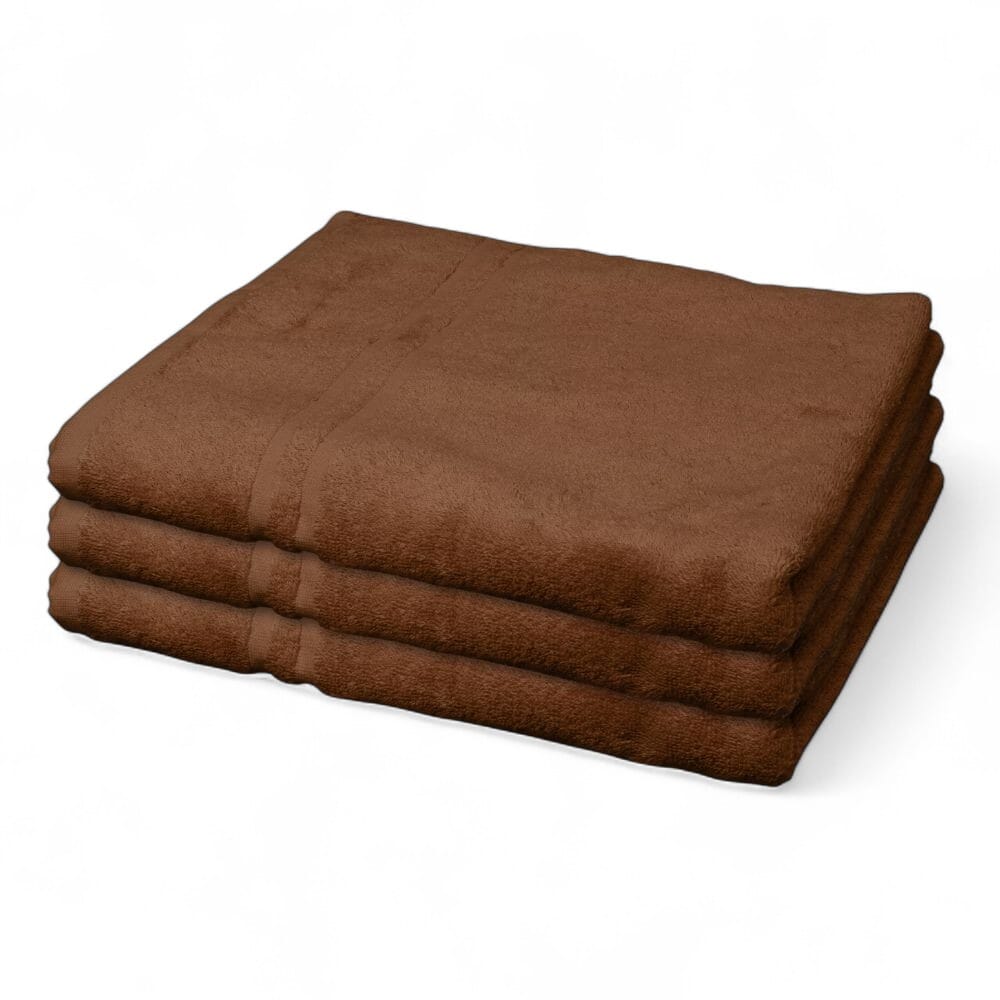
Technical Specifications
The most useful towel specifications sit at the intersection of fibre content, fabric construction and weight. GSM, or grams per square metre, is usually the first figure shoppers compare. Higher GSM towels generally feel denser and can hold more moisture per use, but they also take longer to air dry. By comparison, lower GSM options tend to dry faster and feel lighter in the hand, which can matter in smaller bathrooms or homes with limited ventilation.
Material composition changes how that weight performs. Cotton remains the reference point for everyday absorbency, but the type of cotton and the way the loops are woven can shift the balance. Long-staple cotton constructions often aim for a softer, fuller pile, whereas more standard cotton builds may prioritise practicality and lower drying time. If a towel uses a cotton and linen blend, or a cotton and bamboo viscose mix, that blend can affect both moisture uptake and surface feel, but the headline GSM still needs to be read alongside the fibre split rather than on its own.
Construction details also matter. A towel with a deep loop pile can feel more absorbent because it presents more surface area, yet that same pile may hold onto moisture for longer after use. In contrast, a flatter weave or lower-profile texture can reduce bulk and improve drying speed, even when the quoted weight looks similar. This is why two towels with close GSM figures can behave quite differently in daily use.
Size is another specification worth checking carefully. A bath sheet offers more drying surface than a standard bath towel, but the extra fabric increases total drying time and washing load. Hand towels and guest towels, by comparison, cycle through drying much faster simply because there is less material to saturate.
Care instructions can also signal likely performance trade-offs. Towels that allow higher-temperature washing may suit heavy household use, whereas those with more restrictive laundering guidance may need gentler maintenance to preserve pile and absorbency. Read these technical details together, because no single specification explains how a towel will perform once it is in regular rotation.
Strengths and Weaknesses
Heavier towels usually feel more substantial and often hold more water in a single pass, which can make them effective after a bath or shower. That said, the same density that improves absorbency can also slow drying time. In a busy household, or in bathrooms with limited ventilation, that can be a practical drawback rather than a minor inconvenience. By comparison, lighter towels tend to dry faster between uses and are easier to wash and store, although they may need an extra pass to achieve the same result.
Cotton-rich options are often valued for their familiar balance of softness and absorbency, whereas lower-pile or more tightly woven constructions can feel less plush but may dry more quickly. This matters if the towel is used repeatedly through the day, such as in a family bathroom or guest setting. In contrast, thicker looped surfaces generally increase water uptake, but they can also feel heavier when damp and take longer to return to a fully dry state.
Weight is also tied to handling. A high-GSM towel can feel more luxurious in use, yet it may be less convenient for travel, gym use or smaller airing spaces. Lighter constructions are easier to carry and usually quicker to launder, though some shoppers may find that they lack the enveloping feel associated with denser fabrics. Neither approach is inherently stronger overall, because the practical advantage depends on where and how the towel is used.
Drying speed creates one of the clearest trade-offs. Fast-drying towels are often more convenient in humid climates or shared bathrooms, where turnaround matters. However, towels designed primarily around quick drying may not offer the same immediate absorbency or weight in hand as thicker alternatives. By comparison, slower-drying towels can suit users who prioritise comfort and water retention over rapid reuse.
The main weakness across the category is that no single specification captures performance on its own. A towel that excels in absorbency may be less convenient to maintain, whereas one that dries quickly may feel less substantial. For most comparisons, the useful question is not which towel does everything, but which compromise fits the routine.
Our Verdict
For most households, the right choice comes down to how you prioritise drying performance against day-to-day practicality. A towel that absorbs quickly can feel more effective straight after bathing, but if it also takes longer to dry between uses, that same strength may become a drawback in a busy bathroom. By comparison, a lighter option may feel less dense in the hand, yet it can be easier to rotate, wash and dry regularly.
If your routine involves frequent use, limited airing space or slower indoor drying conditions, drying speed deserves as much weight in the decision as absorbency. In that context, lower-weight towels can make more sense, particularly where multiple family members are sharing the same rail or storage space. In contrast, if the priority is a fuller, weightier feel and stronger water uptake in a single use, a heavier construction may justify the extra drying time and laundry load.
The key is not to treat fabric weight as a proxy for quality on its own. Higher weight can indicate a denser, more absorbent towel, whereas it can also mean more bulk, longer drying times and a less convenient wash cycle. Lighter towels, by comparison, may suit guest bathrooms, travel, gyms or warmer climates where fast turnaround matters more than a plush handle.
For informed comparison, it helps to think in scenarios rather than absolutes. A main family bathroom, a compact flat with limited ventilation, and a guest room can all call for different balances of performance. The more useful question is not which towel does everything, but which one aligns with your use pattern, storage space and tolerance for slower drying.
Taken together, absorbency, weight and drying speed are less a hierarchy than a set of linked compromises. The strongest option for one household may be the least practical for another, especially once washing frequency and drying conditions are factored in.
The key decision is how much drying performance you want relative to how quickly the towel dries and how easy it is to handle day to day. Heavier, more absorbent options can suit post-shower comfort, while lighter constructions tend to be easier to wash, dry and reuse, so the better choice depends on your routine rather than a simple quality hierarchy.