
In this guide
Key Takeaways
- A strong skirt choice is one that can move between work, weekends and smarter plans without feeling out of place.
- Fabric, silhouette and structure are the main factors that separate skirts that feel polished from those that feel more relaxed.
- A comparison table works best as a quick way to narrow options, then fit, styling and day-to-day use can decide the final pick.
- One of the category’s main advantages is its range, with options that suit different dress codes, comfort preferences and levels of formality.
- It helps to shop by purpose first, whether you need a skirt mainly for the office, off-duty wear or a mix of both.
Overview
A good skirt earns its place by doing more than one job. The difference is in the cut, fabric and finish. A structured pencil or straight midi tends to read more polished for work, especially with a clean waistband and a fabric that holds its shape through the day. By contrast, a softer A-line, slip or tiered style usually feels easier off duty, with more movement and less formality. If your week regularly shifts from desk to dinner, the most useful options sit somewhere in the middle: streamlined silhouettes in fabrics that drape well but still look considered.
Length changes the balance more than many shoppers expect. Minis can look sharp with heavier knits, tights and loafers, but they are rarely the most flexible option for office settings. Midis are often the easiest all-rounders because they work with flats, boots and heels without needing much adjustment. Maxis bring coverage and ease, though they can feel more casual unless the fabric and cut are particularly clean. If versatility is the priority, a midi in a neutral shade is usually easier to style across the week than a very short hem or a full-length skirt with lots of volume.
Fabric also sets the tone. Cotton and jersey tend to feel relaxed and practical, making them useful for weekends and travel. Satin and other fluid finishes can shift from daytime to evening more easily, though they may show creasing or require a bit more care. Wool blends and heavier weaves generally suit cooler months and smarter outfits, while linen offers breathability but often comes with a more casual, lived-in look. The trade-off is usually between polish and ease of wear.
Fit details matter if you want a skirt to work hard in your wardrobe. Elasticated waists, stretch fabrics and looser cuts are comfortable for long days, but tailored waistbands and straighter lines often look smarter. Prints and strong colours can add personality, yet solid tones typically give you more outfit combinations. For most shoppers, the right choice is less about one perfect style and more about where you need a skirt to sit on the spectrum between formal and relaxed.
Top Products
A versatile skirt line-up usually comes down to fabric, shape and how much structure you want through the day. If your week includes office hours, travel and last-minute dinner plans, a midi length is often the easiest place to start. It gives more coverage than a mini, feels less formal than a full-length style, and works with both flats and heeled boots without much adjustment.
For workwear, cleaner silhouettes tend to be the most adaptable. Straight, pencil and gently A-line cuts usually pair well with shirts, fine knits and blazers, and they read smarter than heavily gathered or tiered styles. If you want something that still feels easy at the weekend, an A-line shape often gives more movement than a pencil skirt and can be less restrictive if you are commuting or sitting for long stretches.
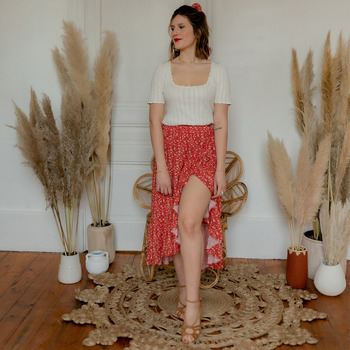
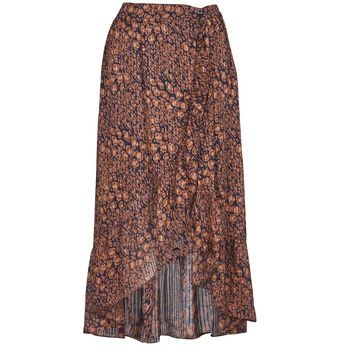
For casual wear, softer shapes can be more forgiving. Wrap skirts, bias-cut styles and relaxed midis generally feel less rigid and can work well with T-shirts, jumpers and trainers. These are often the options people reach for when comfort matters as much as polish. The trade-off is that they may not deliver the same sharp finish as a more tailored skirt.
Mini skirts make sense if you want a more directional look or something that feels lighter in warmer weather, but they are usually less flexible across formal settings. At the other end, maxi skirts can be very useful for weekends and travel, especially if you prefer more coverage, though they can feel too relaxed for some workplaces depending on the fabric and cut.
Texture also changes how hard a skirt works. Smoother, more structured materials usually look neater and are easier to dress up, while softer or more fluid fabrics tend to create a more casual effect. If you are choosing just one, aim for a skirt that can handle at least three combinations you already wear, for example a shirt and loafers, a knit and ankle boots, and a simple tee with trainers. That is usually the clearest sign it will cover work, weekends and the space in between.
Side-by-Side Comparison
Use the table as a quick filter rather than a final verdict. In this category, the most useful differences are usually silhouette, fabric behaviour and how easily a skirt shifts between smarter and more relaxed outfits.
A-line styles are often the easiest all-rounders. They give a bit of shape without feeling restrictive, which makes them a strong option for office days, travel and casual plans afterwards. If you want one skirt to cover the widest range of settings, this is usually the safest place to start. They also tend to work well with both fitted knits and looser shirts, so styling is less demanding.
Pencil skirts sit at the smarter end of the spectrum. They create a cleaner, more structured line, which suits more formal workplaces and occasions where you want a sharper finish. The trade-off is freedom of movement and, in some cases, comfort across a long day. If polish matters more than ease, this shape often comes out ahead.
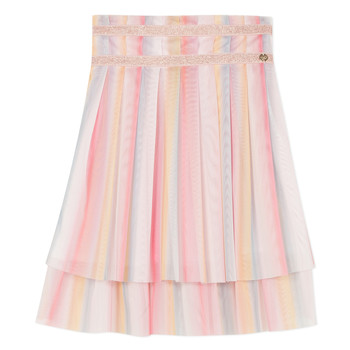
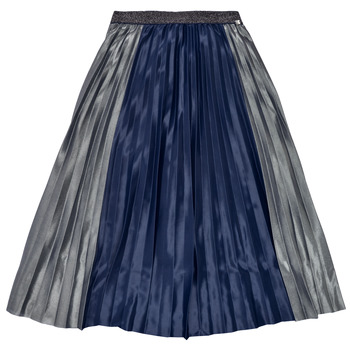
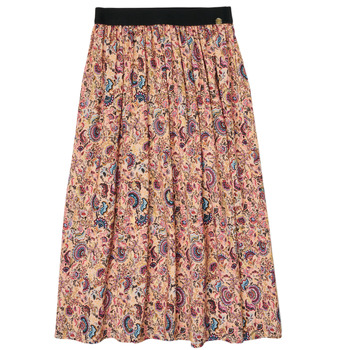
Pleated skirts tend to offer more movement and a lighter visual feel. They can read smart or casual depending on the fabric and length, but they are rarely as crisp as a more tailored option. For mixed-use wear, they are a practical middle ground, especially if you want something that feels less rigid than a straight cut.
Slip skirts usually lean more relaxed and draped. They are useful if your wardrobe already includes simple knitwear, blazers or clean trainers, because they adapt through styling rather than structure. They are less likely to give you that boardroom-ready finish on their own, but they can be very effective for creative offices and weekends.
Denim and utility-led styles are the most casual in a comparison like this. They are durable and easy to wear, but they will not bridge into formal settings as naturally as tailored or fluid fabrics. If your priority is off-duty wear with occasional smart-casual use, these can make more sense than a skirt designed primarily for the office.
When comparing options, focus on where you need the skirt to work hardest: desk, dinner, travel, or everyday errands. That usually narrows the field faster than trend or colour alone.
What We Like and What We Do Not
The main strength of this category is range. A skirt can look office-ready with a shirt and loafers, then work just as well at the weekend with knitwear and trainers, but only if the cut and fabric are doing the right kind of work. Midis tend to be the easiest all-rounders because they sit between formal and casual styling more naturally than very short or full-length options. If you want one piece to cover commuting, desk time and dinner, that is usually the safest direction.
Another clear plus is how different silhouettes solve different wardrobe problems. A-line shapes are often the easiest to wear if you want movement without too much volume. Pencil styles look sharper and more structured, which suits more formal workplaces, but they can feel less forgiving over a long day. Pleated skirts bring texture and swing, though they can read dressier and may not be the first choice if you want something minimal and low-maintenance.
Fabric makes a bigger difference than many shoppers expect. Heavier materials usually hold shape better and look smarter for work, while lighter fabrics feel easier off-duty and in warmer weather. The trade-off is that softer skirts can cling, crease or lose structure by mid-afternoon, whereas more substantial options may feel restrictive if your day involves lots of walking or sitting.
The weak point in this category is that versatility is often overstated. A skirt described as day-to-night only really earns that label if it balances comfort, polish and easy styling. Very trend-led details can date quickly, and highly structured cuts may end up reserved for work only. On the other hand, very relaxed shapes can drift too casual unless the fabric has enough weight or finish to sharpen them up.
Fit is also less forgiving here than with many other separates. Waist placement, lining, length and how the skirt moves when you walk all matter. Two skirts in the same size can behave very differently. If your priority is maximum wear, look for clean lines, moderate length and a fabric that keeps its shape without feeling stiff. If your wardrobe leans more casual or more corporate, it makes sense to choose accordingly rather than expecting one style to cover every setting equally well.
Where to Buy
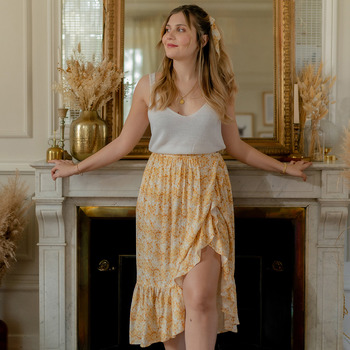
Shopping for skirts is easier when you start with the role they need to play in your week. If you want one option that can move from desk to dinner, focus on cleaner silhouettes in fabrics with enough weight to hold their shape. These usually look smarter with a shirt or knit, and they tend to feel more polished than softer pull-on styles. If comfort is the priority, especially for travel, casual offices or long days out, relaxed cuts and lighter materials often make more sense, even if they read slightly less formal.
Price differences in this category often come down to fabric blend, lining and construction rather than headline style. Two skirts can look similar on a screen, but one may sit better through the hips, crease less during the day or feel less clingy with tights. That is worth checking before you buy. Product pages with clear fabric composition, length measurements and care guidance are usually more useful than heavily styled imagery. If a skirt is intended for workwear, details such as a waistband finish, vent placement and whether the fabric has any stretch can matter more than trend-led design.
It also helps to shop by outfit habits rather than by occasion labels. If you mostly wear ankle boots and jumpers, midi lengths with some movement are often easier than very fitted shapes. If you rely on blazers, loafers and tucked-in shirts, straighter cuts or more structured A-line options can feel more balanced. For weekends, the decision is often less about shape and more about maintenance. Easy-care fabrics and less restrictive fits usually win over anything that needs pressing after every wash.
When comparing retailers, pay attention to sizing consistency, return windows and whether multiple lengths are offered. A skirt that works in theory can still miss the mark if the rise or hem sits awkwardly on your frame. The most useful place to buy is often the one that gives enough information to judge those details properly, not simply the one with the widest range.
The key choice is how much structure you want, because that affects how a skirt sits, moves and adapts from work to off-duty wear. Start with the role it needs to play most often, then weigh fabric and shape against that, since the most useful option is usually the one that fits smoothly into the rest of your week.