In this guide
Key Takeaways
- Bright steel nails suit dry, internal work where corrosion is not a concern.
- Galvanised nails are the safer choice where moisture, condensation or occasional weather exposure could corrode bright steel.
- Compare shank type, head type and fixing method against the material, because nail choice affects holding power, appearance and ease of removal.
- Annular ring shank nails are used when withdrawal resistance matters more than easy removal.
- Lost head nails are suited to trim, mouldings and joinery where the fixing should sit below the surface and remain unobtrusive after filling.
What to Look For
Bright Steel Nails

Bright steel nails are the standard choice for dry, internal work where corrosion is not a concern. They are uncoated or lightly finished steel, so they drive cleanly into softwood, sheet materials, and general framing timber, but they can rust if exposed to moisture, tannins, or plaster that stays damp. For indoor carcassing, temporary fixing, and first-fix jobs that will be covered, they are often the most straightforward option.
Material matters because the nail and the substrate interact over time. In oak, cedar, and other tannin-rich timbers, plain steel can stain the surrounding wood and corrode faster. If the fixing will sit behind plasterboard in a consistently dry room, that may not matter. If it is going into external cladding, fencing, or a bathroom substructure, it does. Choosing the wrong metal can shorten the life of the joint even when the timber itself is sound.
-
Suitable for dry, internal applications
-
Lower corrosion resistance than galvanised or stainless options
-
Common for general timber fixing and first-fix work
-
Less suitable for tannin-rich timber or damp environments
Galvanised Nails
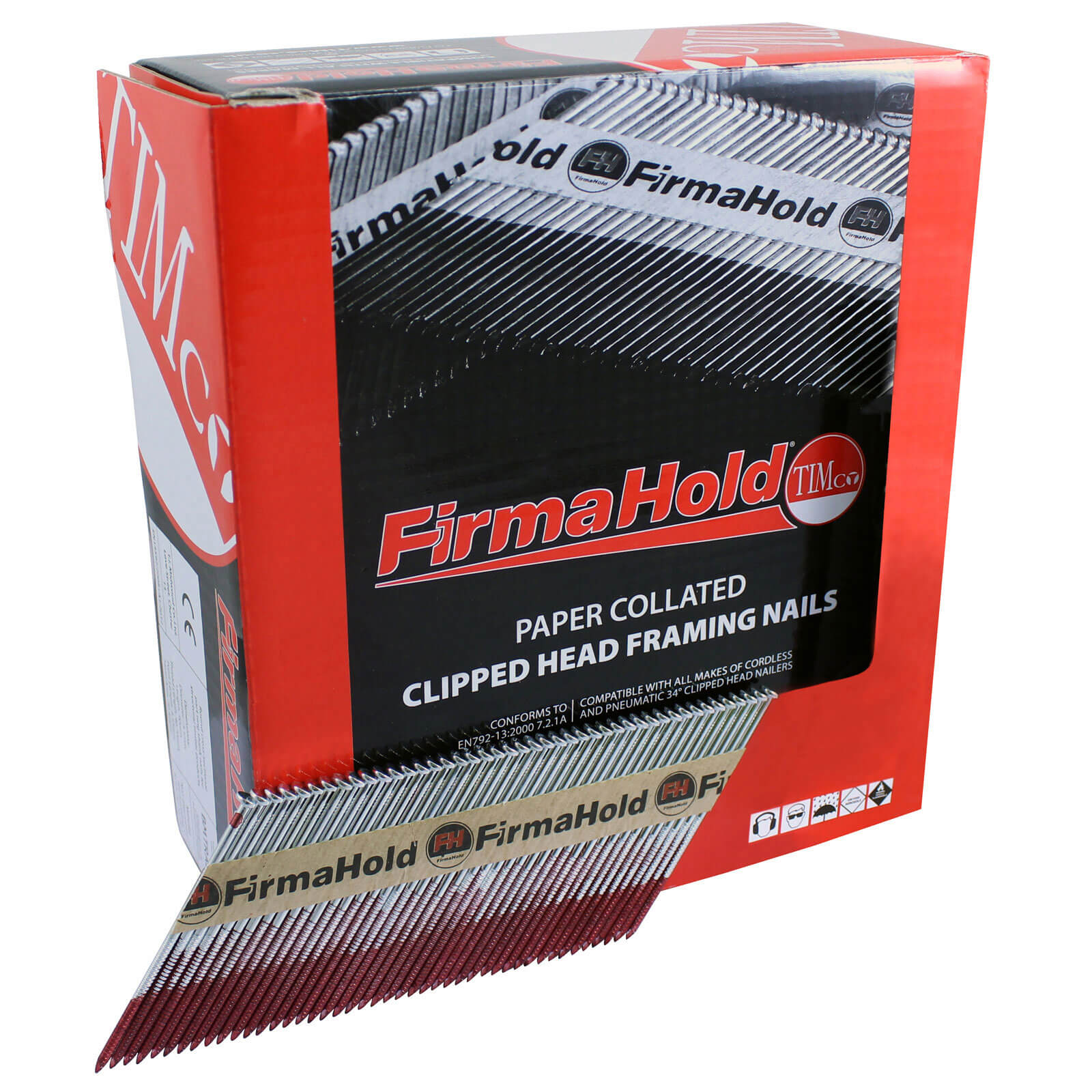
Galvanised nails add a zinc coating to improve corrosion resistance, making them the usual step up for outdoor work and areas with intermittent moisture. The coating can be electro-galvanised or hot-dip galvanised, and that difference affects durability. Electro-galvanised nails have a thinner, smoother coating and are often used where some protection is needed without the heavier finish. Hot-dip galvanised nails have a thicker coating and are generally better suited to external timber, roofing, and structural work exposed to weather.
The coating also affects fit and appearance. A thicker galvanised layer can slightly increase the nail diameter and leave a more visible finish, which is rarely an issue in framing or cladding but can matter in trim work. For treated timber, galvanised nails are often preferred over bright steel because preservatives can accelerate corrosion. Where exposure is severe, stainless steel may still be the safer choice.
"Galvanised" does not mean all nails perform the same outdoors. The coating method changes how well the nail resists long-term weathering.
| Nail type | Corrosion resistance | Typical use | Finish visibility |
|---|---|---|---|
| Bright steel | Low | Dry internal timber work | Low to moderate |
| Electro-galvanised | Moderate | Light external use, occasional damp | Smooth, relatively neat |
| Hot-dip galvanised | Higher | External timber, roofing, treated wood | More visible, thicker coating |
| Stainless steel | Very high | Coastal, wet, or tannin-rich environments | Varies by product |
-
Better corrosion resistance than bright steel
-
Hot-dip galvanised is generally more robust for external use
-
Often suitable for treated timber and outdoor structures
-
Coating thickness can affect finish and driving resistance
Stainless Steel Nails
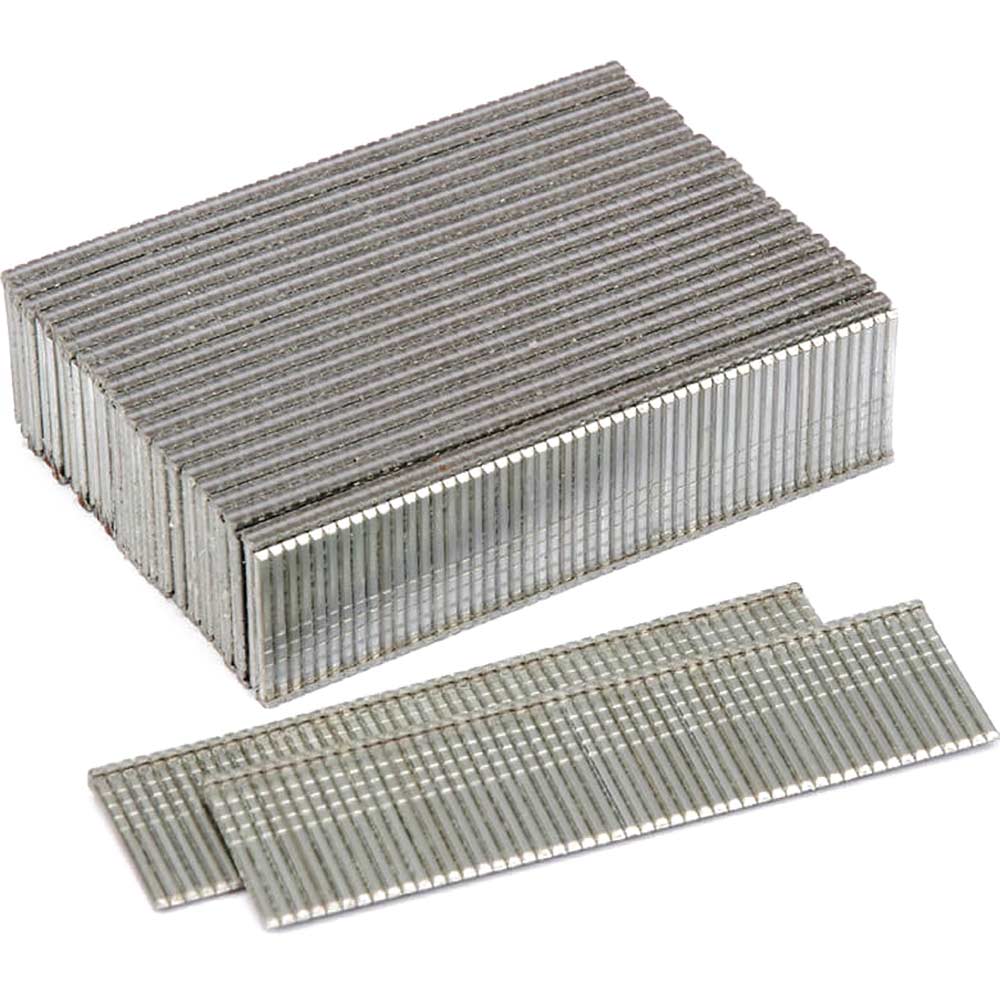
Stainless steel nails are used where corrosion resistance is a primary requirement rather than a secondary benefit. They are particularly relevant for coastal locations, permanently damp conditions, and timbers that can react with other metals. In cladding, decking, and exterior joinery, stainless steel reduces the risk of rust streaking and premature fixing failure.
They also make sense when the cost of replacement is high. A nail hidden behind external boards or embedded in a roof structure is not easy to inspect or replace later. Paying more for a more resistant metal can be justified when access is difficult or when staining around the fixing would spoil the finished surface. The key point is not that stainless suits every job, but that it solves specific durability problems that coated steel may not fully address.
-
High corrosion resistance for exposed or wet conditions
-
Useful with tannin-rich timbers and coastal environments
-
Helps reduce staining around visible fixings
-
Often chosen where replacement would be disruptive
Round Head Nails
Round head nails have a full, visible head that sits proud of the surface unless punched below it. That larger head gives better holding power against pull-through, which is why round head patterns are common in general construction, framing, and applications where the head contributes to the fixing strength. If the material being fixed is relatively soft or thin, a broader head can help spread the load.
The trade-off is finish. A visible round head is rarely the right choice where a flush decorative surface matters, such as fine trim or mouldings. In those cases, lost head or panel pins are usually more appropriate because they leave less evidence after punching in and filling. Head type is therefore not just about appearance, it directly affects how the load is transferred into the material.
-
Larger head improves resistance to pull-through
-
Common for structural and general timber fixing
-
More visible after installation than lost head types
-
Better where finish is secondary to holding strength
Lost Head Nails
Lost head nails are designed for joinery and trim where the fixing should be as unobtrusive as possible. Their small head can be punched below the timber surface and filled, making them suitable for skirting, architraves, mouldings, and other second-fix work. They hold less aggressively against pull-through than a full round head, so they are chosen for neatness rather than maximum visible head support.
Length and gauge become especially important with lost head nails because the reduced head gives you less margin for error. Too short, and the trim may loosen with movement. Too long, and there is a greater chance of splitting slender sections or breaking through the back of the workpiece. For trim, the nail should pass through the moulding and penetrate enough into the substrate to anchor securely without overdriving.
Match head type to the finish standard first, then check that the nail length still gives enough penetration into the base material.
-
Small head can be concealed below the surface
-
Suited to skirting, architraves, and other trim
-
Less resistance to pull-through than round head designs
-
Length choice is critical in thin decorative timber
Ring Shank Nails
Ring shank nails have ridges along the shank that increase withdrawal resistance. They are used where grip matters more than ease of removal, such as flooring, decking, cladding, and other applications subject to movement, vibration, or repeated loading. The ridged profile bites into the surrounding fibres, making the nail harder to pull out than a smooth shank equivalent.
That extra hold can be useful, but it also changes installation behaviour. Ring shank nails usually require more driving force and can increase the risk of splitting in brittle or narrow timber if the size is not matched carefully. They are not automatically better for every job. In temporary work, or where components may need to be dismantled, a smooth shank nail can be more practical.
-
Higher withdrawal resistance than smooth shank nails
-
Useful for flooring, decking, and cladding
-
Harder to remove once installed
-
Can increase splitting risk if oversized for the timber
Key Specifications to Compare
Galvanised Nails
Galvanised nails are specified where moisture, condensation or occasional weather exposure would quickly stain or corrode bright steel. The zinc coating slows rusting and helps prevent black streaks on timber or surrounding finishes. For exterior joinery, fencing, sheds and many general outdoor tasks, this coating is often the first specification to check before head shape or exact length.
Not all galvanising is equal. Electro-galvanised nails have a thinner zinc layer and are commonly used where some corrosion resistance is needed but exposure is moderate. Hot-dip galvanised nails carry a thicker, rougher coating and are generally better suited to external structural work and treated timber. If you are fixing into pressure-treated wood, the coating matters because preservative chemicals can accelerate corrosion in unprotected steel.
| Type | Corrosion resistance | Typical use | Surface appearance |
|---|---|---|---|
| Bright steel | Low | Dry internal work | Plain steel |
| Electro-galvanised | Moderate | Sheltered external or damp-prone areas | Smoother zinc finish |
| Hot-dip galvanised | Higher | Outdoor and treated timber applications | Thicker, duller coating |
A galvanised finish improves corrosion resistance, but it does not make every nail suitable for permanent marine or highly corrosive environments.
-
Check whether the nail is electro-galvanised or hot-dip galvanised, not just labelled galvanised.
-
Match the coating level to the exposure, internal damp, sheltered outdoor, or fully external use.
-
For treated timber, avoid uncoated steel where preservative chemicals may attack the metal.
-
Expect hot-dip galvanised nails to have a thicker coating and a less smooth surface.
Round Head Nails
Round head nails are chosen when holding power and a visible, full-sized head matter more than a discreet finish. The broad head gives the hammer a clear striking surface and helps clamp timber, sheet material or fittings against the substrate. This makes round head patterns common in general carpentry, framing and first-fix work where the head will remain visible or be covered later.
Head size affects both performance and appearance. A larger head spreads load over a wider area, which can reduce the risk of pull-through in softer materials. It also leaves a more obvious fixing point, so it is less suitable where a flush decorative finish is required. When comparing products, look at whether the head is intended for strong mechanical retention or for a neater finish with less surface prominence.
-
A full round head usually offers stronger surface retention than a smaller finishing-style head.
-
Visible heads are usually acceptable in structural or utility work, but less so in trim and fine joinery.
-
Larger heads can help prevent pull-through in softer timber or sheet materials.
-
Round head nails are typically easier to drive accurately with a hammer than very small-headed types.
Lost Head Nails
Lost head nails are designed for joinery and trim where the fixing should be as unobtrusive as possible. Their small head can be punched below the timber surface, allowing filler, paint or varnish preparation with minimal witness marks. This makes them more suitable for skirting, architraves and other second-fix work than standard round head patterns.
The trade-off is reduced surface holding at the head. Because there is less metal bearing on the face of the material, lost head nails are not the first choice where pull-through resistance is critical. They are selected for neatness and concealment rather than maximum clamping force. Length and shank thickness therefore become especially important, because much of the holding performance comes from the shank embedded in the timber rather than the head bearing on the surface.
For painted trim, a lost head nail that can be set below the surface usually leaves less remedial work than a larger visible head.
-
Choose lost head nails where appearance matters and the fixing will be filled or finished over.
-
Do not rely on a small head where the material needs strong surface clamping.
-
Compare shank size and length carefully, because head retention is intentionally limited.
-
These nails are commonly better suited to second-fix joinery than heavy structural work.
Nail Lengths
Length is one of the most important specifications because it governs both penetration and holding strength. A nail that is too short may grip only the surface piece and work loose under movement. A nail that is too long can split timber, protrude through the back, or strike hidden services in renovation work. Product listings usually state length clearly, but that figure only becomes useful when considered against the thickness and density of the materials being joined.
As a practical rule, the nail should penetrate the base material deeply enough to resist withdrawal without overstressing the timber. Softer woods may accept longer nails more easily, while dense hardwoods are more prone to splitting if the diameter and length are excessive. Comparing lengths across otherwise similar nails is therefore not just about strength, but also about suitability for the timber section and finish quality required.
| Nail length choice | Main advantage | Main risk | Typical consideration |
|---|---|---|---|
| Shorter lengths | Lower risk of breakthrough | Reduced holding | Thin trim or light sections |
| Mid-range lengths | Balanced grip and control | Still needs material matching | General joinery and carpentry |
| Longer lengths | Deeper penetration | Splitting or protrusion | Thicker timber assemblies |
-
Compare nail length against the combined thickness of the materials being fixed.
-
Longer is not automatically better if the timber is thin, brittle or visible on the reverse.
-
Dense timber may need more care in length and diameter selection to avoid splitting.
-
Length should be judged alongside head type and shank thickness, not in isolation.
Ring Shank Nails
Ring shank nails use a ridged shank to increase withdrawal resistance compared with a plain shank. Those rings bite into the timber fibres and make the nail harder to pull out once driven. This specification is useful where vibration, movement or repeated loading could loosen a smooth nail over time, such as flooring, cladding or certain external assemblies.
That extra hold comes with consequences. Ring shank nails are more resistant to removal, so they are less convenient where future disassembly or adjustment is likely. They can also demand more driving force and may increase the risk of splitting in some timbers if the nail diameter is not matched carefully to the material. When comparing hold, check whether the product uses a plain, annular or otherwise textured shank, because the shank pattern can matter as much as the head.
Higher withdrawal resistance is useful only if the surrounding timber remains intact, so oversized shanks can be counterproductive in narrow or brittle sections.
-
Ring shank nails are chosen primarily for stronger resistance to pull-out.
-
They suit applications exposed to movement, vibration or cyclical loading.
-
Removal is harder than with plain shank nails, which matters for repairable work.
-
Compare shank pattern and diameter together, because both affect holding and splitting risk.



Advantages and Disadvantages
Different nail types trade speed, appearance, holding power and resistance to movement against the risk of splitting timber, visible heads or difficult removal. The right choice depends less on the nail in isolation and more on the material being fixed, the direction of load and whether the fixing needs to disappear or stay serviceable.
A smooth shank nail driven into softwood behaves very differently from a ring shank nail driven into sheet material or a lost head nail used for trim. Head shape affects pull-through and finish quality, while shank pattern affects withdrawal resistance. Length matters too, because extra penetration can improve hold, but it also raises the chance of breakthrough, splitting or striking hidden services in refurbishment work.
| Nail category | Main advantage | Main drawback | Typical use case | Removal difficulty |
|---|---|---|---|---|
| Round wire nails | Fast, economical general fixing | Lower withdrawal resistance than patterned shanks | General timber-to-timber fixing | Moderate |
| Ring shank nails | Strong hold against pull-out | Harder to remove, can split thin timber | Flooring, cladding, sheet fixing | High |
| Lost head nails | Easier to conceal in finished work | Smaller head gives less clamping area | Skirting, architrave, trim | Moderate |
| Clout nails | Broad head spreads load on thin materials | Not suited to neat finish carpentry | Felt, sheet, thin board | Low to moderate |
Round Wire Nails
Round wire nails remain the default option for general carpentry because they drive quickly and suit a wide range of timber-to-timber joints. Their smooth shank creates less friction during driving than patterned alternatives, which helps when fixing large quantities or working with denser timber. In dry internal construction, they are often chosen where appearance is secondary and the joint is supported mechanically by the surrounding structure.
Their limitation is holding power under withdrawal load. If the fixed piece is likely to shrink, vibrate or be pulled away from the substrate, a smooth shank can loosen sooner than a ringed or twisted pattern. Head size also matters here, because a standard flat head gives better bearing on the surface than a reduced head, but it remains a practical rather than discreet fixing.
Use round wire nails where the joint is loaded mainly in shear, not where repeated movement may try to pull the nail straight back out.
-
Quick to drive and widely used for general timber fixing
-
Smooth shank reduces driving resistance
-
Better suited to structural or hidden work than fine finishing
-
Lower pull-out resistance than ring shank or other patterned shanks
Ring Shank Nails
Ring shank nails are designed for stronger withdrawal resistance. The annular rings bite into the surrounding fibres, so they are often preferred where movement, vibration or sheet tension could work a smooth nail loose over time. This makes them useful in flooring, cladding and panel fixing, where a more secure long-term hold matters more than easy removal.
That extra grip comes with trade-offs. Ring shank nails need more force to drive, and in narrow sections or close to board edges they can increase the risk of splitting unless pilot holes or careful spacing are used. They are also notably harder to remove cleanly, which matters if the assembly may need later adjustment or if the substrate must remain undamaged.
A stronger shank pattern does not compensate for poor length choice. If penetration into the base material is too shallow, even a ring shank nail can underperform.
-
High withdrawal resistance for boards and sheet materials
-
Better suited to areas subject to movement or vibration
-
Harder to remove than smooth shank nails
-
Greater risk of splitting in thin or brittle timber sections
Lost Head Nails
Lost head nails are chosen when the fixing should be as unobtrusive as possible after installation. Their reduced head can be punched below the timber surface, allowing filler, paint or other finishing work to cover the fixing point. This makes them common in second-fix carpentry such as mouldings, trim and other visible interior timber details.
The compromise is reduced holding area at the surface. A smaller head is less effective where the material may pull over the fixing, so lost head nails are not the right choice for sheet goods, stressed joints or locations where the head needs to clamp the face firmly. They also demand more care during driving, because overdriving can bruise the timber surface, especially on softer mouldings.
Match lost head nails to lightweight trim and neat finishing work, not to joints that rely on the head to resist pull-through.
-
Small head can be concealed below the surface
-
Suited to trim, mouldings and other visible finish carpentry
-
Less surface clamping than a standard flat head
-
Requires careful setting to avoid marking finished timber
Clout Nails
Clout nails are identified by their broader head, which spreads load over a larger surface area. That makes them useful for thinner materials that could tear, crack or pull through under a smaller head. Where the face material matters more than a flush decorative finish, the broad head can be an advantage because it secures without concentrating force in one small point.
Their drawback is appearance and versatility. A broad exposed head is not suitable for fine joinery, and clout nails are generally chosen for functional fixing rather than discreet carpentry. They also do not solve every holding problem, because head size improves bearing at the surface but does not automatically increase shank grip within the substrate.
If the material is thin enough to risk pull-through, compare head size first, then shank type, because the larger head may matter more than extra withdrawal resistance.
-
Broad head helps prevent pull-through on thin materials
-
Useful where surface bearing matters more than concealed finish
-
Less suitable for decorative timber work
-
Head design improves surface hold, not necessarily shank grip within the base material
Our Top Picks
For most buyers, the shortlist comes down to matching the nail’s shank, head and intended fixing method to the material in front of you. The categories below cover the nail types that solve the majority of common jobs once bright steel and galvanised options have already been narrowed down.
Lost Head Nails
Lost head nails are chosen when you want the fixing to disappear below the timber surface. The small head can be punched in with a nail set, which makes them a standard option for skirting, architrave and other interior trim where a broad, visible head would spoil the finish. They are most useful in timber that will be filled and painted, because the recessed head leaves only a small hole to make good.
Their holding power comes mainly from the shank rather than the head, so they suit trim and light joinery better than boards that may lift or move. Length matters more than many buyers expect. A lost head nail that is too short will not anchor properly in the substrate, but going too long increases the chance of bursting narrow mouldings or striking hidden services behind the fixing line.
For trim, a practical rule is to choose a length that gives enough penetration into the backing timber without driving so deep that slender mouldings split at the edge.
-
Small head is designed to be punched below the surface for a neater finish
-
Better suited to mouldings, skirting and architrave than to structural fixing
-
Works best where the hole will be filled after fixing
-
Requires careful length selection in thin or narrow timber sections
Round Wire Nails
Round wire nails are the general-purpose choice when appearance matters less than straightforward fixing. Their full head gives the hammer a larger striking target and leaves more material above the shank to clamp the workpiece, which is why they are widely used for rough carpentry, framing in dry conditions and basic timber-to-timber fixing. If you need a nail that is easy to source in many lengths and gauges, this is usually the category buyers compare first.
The trade-off is that the relatively thick round shank can split smaller sections of timber, especially near ends and edges. In sheet materials or narrow battens, that can matter more than raw holding power. They are therefore a stronger fit for carcassing and general construction than for delicate trim. When comparing options, look closely at both length and diameter, because a thicker nail changes the risk of splitting as much as a longer one.
-
Full head provides visible clamping and an easy hammering target
-
Suits general timber fixing and rough carpentry in appropriate conditions
-
Thicker round shank can increase splitting in narrow stock
-
Better for utility work than for fine finishing
Oval Wire Nails
Oval wire nails are designed to reduce splitting in timber because their cross-section parts the fibres differently from a standard round shank. That makes them a useful option for flooring, face-fixing boards and other jobs where the timber is relatively thin or where fixings run close to the board edge. They are especially relevant when you need a traditional hammered fixing but want less disruption to the timber than a conventional round wire nail may cause.
They still need to be oriented correctly during driving. The narrower dimension should work with the grain rather than against it, otherwise the splitting advantage is reduced. Buyers comparing oval and round wire nails should think less about headline strength and more about the condition and size of the timber being fixed. In dry, seasoned boards, the difference in splitting behaviour can be more important than a small difference in head style.
Oval wire nails help reduce splitting, but they do not eliminate it. Very dry timber, thin sections and fixings placed too close to the end grain can still crack.
| Nail category | Main advantage | Typical use case | Main limitation |
|---|---|---|---|
| Lost head nails | Discreet finish | Skirting, architrave, trim | Limited head hold |
| Round wire nails | General-purpose fixing | Rough carpentry, framing | Higher splitting risk |
| Oval wire nails | Reduced timber splitting | Flooring, boards, thinner timber | Needs correct orientation |
-
Shank shape is intended to reduce splitting compared with round wire nails
-
Useful for boards, flooring and thinner timber sections
-
Orientation during driving affects performance
-
Not a substitute for correct edge distance and nail length
Masonry Nails
Masonry nails are made for direct fixing into brickwork, block and similar mineral substrates where a standard timber nail would simply bend or fail to bite. They are typically used for attaching battens, clips or light timber grounds without moving straight to screws and plugs. For buyers comparing fixing methods, the appeal is speed, but only where the substrate is sound enough to accept a driven fixing.
They are not a universal answer for every wall. Older, brittle masonry can spall, and very hard concrete may resist the nail entirely. Load matters as well. Masonry nails are generally for lighter-duty attachments rather than heavily loaded structural connections. If the fixing must resist sustained pull-out, vibration or significant weight, a mechanical anchor or screw-based system is often the more predictable route.
-
Intended for direct fixing into brick, block and similar masonry
-
Useful for battens and light attachments where speed matters
-
Performance depends heavily on substrate hardness and condition
-
Less suitable for heavily loaded or highly critical fixings
Annular Ring Nails
Annular ring nails use a ridged shank to increase withdrawal resistance. Those rings grip the surrounding material more aggressively than a plain shank, which is why this category is often chosen where movement, vibration or pull-out are concerns. In practical terms, they are a strong candidate for flooring, decking and sheet materials that need more hold than a smooth nail can usually provide.
That extra grip comes with consequences. They are harder to remove, and driving them into fragile timber can increase the risk of damage if the size is not matched carefully to the material. Buyers should compare annular ring nails when hold is the priority, not when future disassembly or a fine decorative finish is the main concern. They are a performance-led choice rather than a cosmetic one.
If boards may need to be lifted later for access or maintenance, think carefully before choosing a high-withdrawal shank such as annular ring.
-
Ridged shank increases resistance to pull-out
-
Well suited to flooring, decking and sheet fixing where movement is a concern
-
More difficult to remove than plain shank nails
-
Size selection is important to avoid damaging lighter timber


Frequently Asked Questions
When should I choose annular ring shank nails over smooth shank nails?
Annular ring shank nails are used when withdrawal resistance matters more than easy removal. The rings bite into timber fibres, so they are common for flooring, cladding, decking substructures and other fixings that must resist movement over time.
Do annular ring shank nails split timber more easily?
They can, especially in dry hardwoods or near board ends, because the shank grips aggressively as it enters. Choosing an appropriate diameter and pre-drilling where needed reduces the risk.
These nails are defined by the ridges rolled around the shank. That profile increases friction and mechanical lock compared with a plain shank, which is why they are often specified where vibration, seasonal movement or repeated loading could loosen a standard nail. The trade-off is that driving force is higher and removal is more destructive.
Length still matters as much as shank type. A ring shank nail that is too short will not develop enough holding power, while one that is too thick for the timber section can cause splitting before the rings do any useful work. For sheet materials and boards, compare both penetration depth and the material’s tendency to move with humidity.
> **Tip:** If a fixing needs to resist pull-out rather than just hold two pieces in contact, ring shank is usually the first shank type to check.
- Higher withdrawal resistance than smooth shank nails
- Better suited to boards and assemblies exposed to movement or vibration
- Harder to drive and harder to remove cleanly
- More likely to split narrow or brittle timber if diameter is excessive
### Lost Head Nails
What are lost head nails used for?
Lost head nails are chosen where a less visible fixing is needed in timber trim, mouldings and other interior joinery. Their small head can be punched below the surface so filler or paint can hide the fixing point.
Are lost head nails strong enough for structural work?
They are generally selected for neat appearance rather than maximum clamping area at the head. Where the head must resist pull-through or hold heavier sections firmly, a larger head type is usually more appropriate.
The key feature is the reduced head, not the shank. Because the head presents less visible metal, these nails suit skirting, architrave and similar finish carpentry where appearance matters after fixing. They are commonly set with a nail punch to avoid hammer marks on the surrounding surface.
A smaller head also means less bearing surface on the face of the timber. That is useful for concealment, but it limits how well the nail head can clamp softer materials or resist pull-through. On thin trim, that is often acceptable, but on boards under stress it can be a weakness rather than an advantage.
> **Worth knowing:** A small head improves concealment, but it does not make a nail suitable for every finishing job if the material itself is prone to movement.
- Small head designed for discreet fixing in visible timber work
- Common in trim, mouldings and interior joinery
- Usually punched below the surface before filling or painting
- Less head area means less resistance to pull-through than larger head types
### Clout Nails
Why do clout nails have a large head?
Clout nails use a broad head to spread load over a wider area of sheet or thin material. That helps prevent the head pulling through roofing felt, membranes or other relatively soft coverings.
Are clout nails suitable for general timber fixing?
They can fasten thin materials to timber, but their head design is intended for sheet retention rather than conventional joinery. For framing or trim, other head types are usually a better match.
Clout nails are easy to identify because the head is proportionally much wider than on general-purpose wire nails. That shape is useful when fixing materials that would tear, distort or pull over a smaller head. In practice, buyers compare them mainly by material compatibility, head size and corrosion resistance for the environment.
Because the head does much of the work, length needs to match the substrate rather than simply being as long as possible. Too short, and the nail will not anchor securely into the timber beneath. Too long, and you gain little while increasing the chance of breakthrough or awkward fixing in thinner battens and boards.
| Type | Main feature | Typical use | Main limitation |
|---|---|---|---|
| Lost head nails | Small, discreet head | Trim and joinery | Lower pull-through resistance |
| Clout nails | Wide head | Felt, sheet and membrane fixing | Not intended for neat finish carpentry |
| Annular ring shank nails | Ribbed shank for grip | Flooring, boards, movement-prone fixings | Harder removal, greater split risk |
> **Tip:** When comparing head types, ask whether the head needs to disappear, clamp firmly, or stop a sheet tearing through. That usually narrows the choice quickly.
- Wide head spreads load across softer or thinner materials
- Common for sheet coverings fixed onto timber substrates
- Head size matters more here than a discreet finish
- Length should be chosen for substrate penetration, not just overall grip
### Masonry Nails
Can masonry nails replace screws and plugs in brick or concrete?
Masonry nails are intended for direct fixing into hard mineral substrates, but suitability depends on the base material and load. They are generally used for lighter-duty attachments where speed matters more than removability or adjustment.
What should I check before buying masonry nails?
Check the substrate hardness, the nail’s intended material compatibility and the thickness of the item being fixed. A nail that works in mortar joints or softer block may not drive reliably into dense concrete.
Masonry nails are hardened so they can penetrate materials that would bend an ordinary steel nail. That makes them a specialist option rather than a general substitute for timber nails. They are most useful when fixing battens, clips or light components to brick, block or concrete without a separate anchor.
The practical limitation is brittleness and substrate variability. Hardening helps penetration, but it also means the nail can snap if struck badly or used in a substrate that is too dense. Base material condition matters as much as nail choice, especially in old masonry where hardness can vary across the same wall.
> **Worth knowing:** Masonry nails are less forgiving than timber nails. If the first blows do not start the nail straight, forcing it usually damages either the fixing or the substrate.
- Hardened for direct fixing into brick, block or concrete
- Used where ordinary nails would bend rather than penetrate
- Better suited to lighter direct-fix tasks than adjustable fixings
- Substrate hardness and condition strongly affect performance
Ready to Buy?
Lost Head Nails
Lost head nails suit trim, mouldings and other joinery where you want the fixing to sit below the surface and stay unobtrusive after filling. Their small head is designed to be punched in, which reduces the amount of filling compared with a larger round head. That makes them a practical choice when appearance matters as much as basic holding power.
They are not a substitute for every general-purpose nail. A smaller head gives less clamping area on the face of the material, so they are better matched to lighter sections and finish work than to structural fixing. When comparing packs, focus on gauge and length in relation to the thickness of the trim and the substrate behind it, because a neat head does not compensate for a nail that is too short to bite properly.
If the fixing will be filled and painted, a lost head nail usually leaves less remedial work than a larger round head nail.
-
Best suited to trim, mouldings and finish carpentry
-
Small head is intended to be punched below the surface
-
Leaves a less visible fixing point after filling
-
Better for lighter sections than heavy structural work
Round Head Nails
Round head nails remain the straightforward option for general timber fixing where the head needs to bear on the surface and resist pull-through. The larger head gives a more positive hold on boards, battens and other sections where a lost head pattern would offer too little bearing area. For many buyers, this is the category to choose when appearance is secondary to a secure face fixing.
Length still matters more than head shape alone. A round head nail that is too long can increase the risk of splitting thinner timber, while one that is too short may not develop enough hold in the base material. If you are comparing options for routine carpentry, this is the point where head type, shank pattern and nail length need to be considered together rather than as separate decisions.
A larger visible head can be an advantage when holding power matters, but it will usually leave a more obvious finished fixing.
-
General-purpose choice for timber fixing
-
Larger head gives more bearing on the material surface
-
Useful where pull-through resistance matters
-
More visible in the finished work than lost head patterns
Masonry Nails
Masonry nails are intended for fixing into brickwork, block or similar hard backgrounds where a standard wood nail is unsuitable. If your job involves attaching timber battens, clips or light fittings to a mineral surface, this category is the one to filter for first. The key buying decision is whether the background is genuinely hard masonry, because that determines whether a hardened nail is appropriate at all.
They should not be treated as a universal answer for every wall. Surface hardness, the condition of the masonry and the weight of what you are fixing all affect whether a nail is viable or whether another fixing method is more appropriate. For comparison shopping, check that the product is specifically listed for masonry use, then match the length to both the thickness of the item being fixed and the depth needed in the wall.
Hard masonry can cause nail bending or deflection if the fixing is underspecified for the surface.
-
Intended for brick, block and other hard mineral backgrounds
-
Used where standard wood nails are unsuitable
-
Length must account for both the fixed item and embedment
-
Suitability depends on the hardness and condition of the wall
Clout Nails
Clout nails are chosen when sheet materials or thinner sections need a broader head to spread the load. That wider head helps hold materials that might tear over a smaller nail head, which is why this category is commonly considered for sheet fixing rather than ordinary joinery. If the material is relatively thin, head diameter becomes a key buying point rather than a minor detail.
This is also where comparing categories side by side is useful, because the right nail depends on whether you need a discreet finish, general timber holding, or a broad head for sheet retention. The table below highlights the practical differences buyers usually need to resolve before narrowing down by length and pack size.
| Nail category | Best matched material | Head characteristic | Main buying priority |
|---|---|---|---|
| Lost head nails | Trim and mouldings | Small head, intended to be punched in | Less visible finish |
| Round head nails | General timber sections | Larger visible head | Surface bearing and hold |
| Masonry nails | Brick and block backgrounds | Head varies by product type | Suitability for hard substrates |
| Clout nails | Sheet materials and thin sections | Broad head | Reduced pull-through |
A clout nail is not automatically the right choice just because the head is larger. The material still needs to suit nail fixing, and the shank and length still determine how securely the fixing will hold in the substrate. Use the broad head as a reason to shortlist this category, then verify that the rest of the specification matches the job.
When fixing thinner materials, compare head size first, then check whether the nail length is proportionate to the substrate behind.
-
Broad head helps spread load on thinner materials
-
Commonly shortlisted for sheet fixing
-
Useful where a smaller head could pull through
-
Length and shank still determine overall hold
The key decision is the material and conditions the nail will face, because that determines whether you need basic bright steel for dry internal work or galvanised protection where moisture is present. From there, choose the shank and head to match the fixing itself, whether that means stronger withdrawal resistance with annular ring shank nails or a less visible finish with lost head nails for joinery and trim.